


Introduction
Do you hear road noise, tyre noise or unwanted vibrations while driving? Does your car cabin become noisy at highway speeds? If so, car soundproofing may help improve your driving experience.
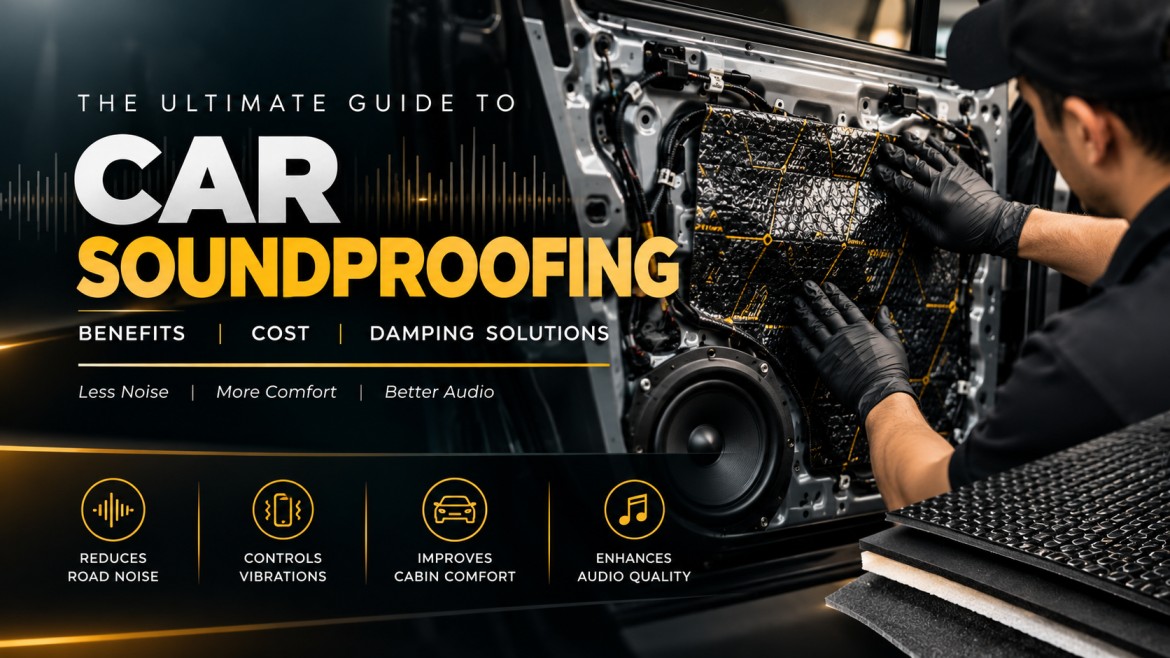
Car soundproofing focuses on reducing unwanted noise entering the cabin. Car damping helps control vibrations in metal panels, such as doors and floors. Together, suitable materials and correct installation can make the cabin more comfortable.
However, soundproofing is not only about making a car quieter. It can also support a better music-listening experience.
Many car owners invest in premium speakers, amplifiers and subwoofers. Yet, they may not get the sound they expected because road noise and panel vibrations remain unaddressed.
In this guide, you will learn how car soundproofing works, which areas can be treated, how damping layers differ and what affects the overall cost.
What Is Car Soundproofing?
Car soundproofing is the process of reducing unwanted noise inside a vehicle. It involves identifying noise sources and using suitable materials to reduce noise transmission, panel vibrations or sound leakage.
Different materials serve different purposes. Therefore, the right solution depends on the type of noise and the area being treated.
For example, vibration-damping sheets can help control metal panel resonance. Other materials may help absorb sound or reduce noise transmission when installed in suitable locations.
Car soundproofing does not make a vehicle completely silent. However, a properly planned installation can help reduce certain types of noise and improve cabin comfort.
What Is Car Damping?
Car damping is a technique used to control vibrations in vehicle panels. These vibrations can occur when the engine runs, tyres contact the road or the car travels over uneven surfaces.
When a metal panel vibrates, it may create unwanted resonance or rattling. Applying a suitable damping material can reduce that vibration.
Door damping is a common example. It can help control door-panel resonance and may also improve the conditions for aftermarket speaker installation.
However, damping and soundproofing are not exactly the same in every application. Damping mainly targets vibrations, while broader soundproofing treatments may address airborne noise and sound transmission.
The best approach depends on the vehicle and the customer’s requirements.
Why Even an Expensive Car Audio System May Not Deliver the Best Sound
You can invest in premium speakers, powerful amplifiers and an expensive subwoofer. However, if road noise, tyre noise and unwanted vibrations remain unaddressed, your listening experience may still fall short of expectations.
A great car audio system is not just about the equipment you install. It is also about the environment in which you listen to it.
External noise can mask quieter details in music, especially when you listen at moderate volume. In addition, vibrating door panels may create unwanted rattles that affect the overall experience.
This is where suitable car damping and soundproofing can help. Door damping can reduce certain panel vibrations, while other treatments may help control specific sources of cabin noise.
For customers investing in an SQ or SQL audio setup, addressing relevant noise and vibration issues can help the system perform more effectively in everyday driving conditions.
However, soundproofing alone cannot guarantee excellent audio quality. Speaker selection, amplifier matching, installation and DSP tuning also matter.
The smart approach is to plan your audio upgrade and soundproofing together. Ask your installer which improvements will make the biggest difference for your vehicle and listening preferences.
Common Sources of Noise Inside a Car
Before choosing a soundproofing solution, it helps to understand where the noise comes from.
1. Road Noise
Road noise occurs when tyres interact with the road surface. Its intensity can vary with road texture, tyre type, vehicle design and driving speed.
Soundproofing treatments in appropriate areas may help reduce some of the noise entering the cabin.
2. Tyre Noise
Tyres can produce noise due to tread patterns, road conditions and tyre wear. Some of this sound travels through the vehicle structure, while some enters the cabin through the body and openings.
The right solution depends on the source. Soundproofing may help, but choosing suitable tyres and maintaining them correctly are also important.
3. Door Panel Vibrations
Door panels may vibrate when driving or playing music at higher volumes. Loose clips, poorly fitted trim and other mechanical issues can also cause rattling.
Damping may reduce panel resonance. However, damaged clips or loose components should be repaired rather than covered with damping material.
4. Engine and Mechanical Noise
Engine and drivetrain noise can enter the cabin through different parts of the vehicle. The source varies by vehicle design and mechanical condition.
Soundproofing may help with some transmitted noise. Nevertheless, unusual engine noise should be inspected by a qualified mechanic before adding insulation.
5. Wind Noise
Wind noise often becomes more noticeable at higher speeds. Door seals, window alignment and vehicle aerodynamics can affect how much noise enters the cabin.
If worn seals or alignment issues are responsible, repairing them may be more effective than adding damping alone.
What Are the Different Car Damping Layers?
The term “layers” can refer to different materials used in a soundproofing project. There is no universal three-layer system that every car requires. The correct combination depends on the vehicle, noise source and treatment area.
1. Vibration-Damping Layer
A vibration-damping sheet is commonly applied to suitable metal panels, such as doors or sections of the floor.
Its main purpose is to reduce panel resonance. Materials designed for automotive use should be selected according to the application and installed on properly prepared surfaces.
Coverage should be planned carefully. Adding more material everywhere does not automatically produce better results.
2. Sound-Absorbing Layer
Sound-absorbing materials help manage sound energy within suitable cavities or spaces. Depending on the material, they may help reduce reflections or certain types of airborne noise.
Their effectiveness depends on the material’s properties, thickness, location and installation method.
Automotive materials should be suitable for their intended environment, including exposure to heat and moisture where relevant.
3. Sound-Insulating Layer
Sound-insulating materials are designed to reduce the transmission of sound through a barrier. They may be used in suitable areas of a vehicle as part of a broader noise-control plan.
However, not every material can be used in every location. Door drainage, window mechanisms, wiring, airbags, pedals and other moving or safety-related components must remain unobstructed.
A professional installer should select compatible materials and follow the vehicle’s requirements.
Door Damping vs Full-Car Soundproofing
Door damping and full-car soundproofing serve different needs. The right choice depends on your main concern and budget.
Door Damping
Door damping focuses on the vehicle’s doors. It may help control metal-panel vibrations and rattles.
It can also be useful when upgrading door speakers. Reducing unwanted panel resonance may help create a more stable installation environment.
However, door damping alone will not address every source of road or tyre noise.
Full-Car Soundproofing
Full-car soundproofing involves treating selected areas throughout the vehicle. Depending on the plan, this may include doors, floor sections, boot areas or other suitable panels.
A broader treatment may address more than one noise source. However, the result depends on which areas contribute most to the noise.
Full-car treatment also involves more material, labor and vehicle disassembly. Therefore, it generally requires more planning than treating one area.
Which option should you choose?
If your main concern is door-panel vibration or speaker-related rattling, door damping may be a suitable starting point. If noise comes from several areas, a professional assessment can help determine whether broader soundproofing is worthwhile.
Benefits of Car Soundproofing
A properly planned car soundproofing project can offer several benefits.
Reduced Unwanted Cabin Noise
Suitable materials may reduce certain types of road noise, panel resonance and vibration. The amount of improvement depends on the original noise source and treatment.
A More Comfortable Driving Experience
Reducing persistent noise may make longer journeys more comfortable. However, the final result varies by vehicle, tyres, road surface and installation quality.
Better Conditions for Car Audio
Damping can reduce certain panel vibrations, while suitable soundproofing may help limit some external noise. Together, these improvements can support a more enjoyable music-listening experience.
Reduced Panel Resonance
Damping materials can help control vibration in treated metal panels. This may reduce unwanted resonance and some panel-related rattles.
A More Refined Cabin Feel
When the main noise sources are correctly identified and treated, the cabin may feel more refined during everyday driving.
Results are not identical for every vehicle. Therefore, it is important to set realistic expectations before starting the project.
Does Car Soundproofing Make a Car Completely Silent?
No. Car soundproofing cannot eliminate every sound inside a vehicle.
Tyres, wind, engine components and road surfaces produce different types of noise. Each source requires a suitable solution, and some noise will remain even after treatment.
For example, adding damping to the doors may reduce panel resonance. However, it may not significantly reduce wind noise caused by worn door seals.
The best results come from identifying the main source first. Then, the installer can recommend suitable materials and treatment areas.
How Much Does Car Soundproofing Cost?
The cost of car soundproofing depends on several factors. These include the vehicle size, treatment area, material type, coverage and installation complexity.
Door damping usually involves less work than a broader treatment covering multiple areas. Full-car projects may require more material and additional time for disassembly and reassembly.
Material quality also affects the price. Different products have different vibration-control, absorption or insulation properties.
Before choosing a package, ask for a clear quotation that explains the areas being treated, the materials included and the work involved.
A useful quotation should also clarify whether trim removal, reassembly and any additional repairs are included.
For an accurate estimate, discuss your vehicle model, noise concerns and budget with a professional installer.
How to Choose the Right Car Soundproofing Service
Choosing the right installer matters as much as choosing the material. A good installation starts with understanding the problem rather than applying the same treatment to every vehicle.
Before booking, consider these five points.
First, explain the noise you hear. Tell the installer whether the main concern is road noise, tyre noise, door vibrations or rattling.
Second, ask which areas need treatment. The installer should explain why those areas are relevant to your particular concern.
Third, understand the materials being used. Ask about their purpose, suitability and installation location.
Fourth, check the installation process. Door drainage, electrical wiring, moving parts and safety systems must remain properly accessible and functional.
Finally, discuss realistic expectations. A professional should explain what the treatment may improve and which noises may remain.
These steps can help you compare service providers and make a more informed decision.
Why Professional Installation Matters
Car soundproofing requires more than sticking sheets onto metal panels. Surface preparation, material selection and careful reassembly all affect the final result.
Incorrect installation may obstruct drainage, interfere with wiring or moving parts, or cause problems when trim is refitted. Excessive or unsuitable material can also add unnecessary weight.
A professional installer should identify the relevant noise sources and select materials for the intended application. The work should also preserve the vehicle’s essential functions and safety features.
At Filmshoppee, customers can discuss their vehicle, current noise concerns and audio upgrade plans before deciding on a suitable solution.
Watch The Sound Proofing Installation
Frequently Asked Questions
Is car soundproofing worth it?
It can be worthwhile if unwanted cabin noise or panel vibrations affect your driving experience. The value depends on the noise source, the treatment selected and your expectations.
Does car damping improve music quality?
Damping may reduce certain door-panel vibrations and resonance. This can help create a better environment for upgraded speakers. However, speaker quality, system tuning and external noise also influence the listening experience.
Should I do damping before upgrading my car audio system?
It is useful to plan both together. If door vibrations or cabin noise are likely to affect your goals, discuss them with your installer before selecting the audio components.
Is door damping enough to reduce road noise?
Door damping may help with panel resonance and some transmitted noise. However, road noise can enter through several parts of the vehicle. The correct treatment depends on the main source.
How long does car soundproofing take?
Installation time depends on the vehicle, areas being treated, material selection and the amount of disassembly required. Ask your installer for an estimate based on your specific car and chosen package.
Does soundproofing add weight to a car?
Yes, soundproofing materials add some weight. The amount depends on the material and coverage. A suitable treatment plan should balance expected benefits with additional weight.
Can I install car damping myself?
Some products are designed for DIY installation. However, correct surface preparation, safe disassembly and careful reassembly are important. Professional installation may be preferable when treating complex areas or working around electrical and safety components.
Will car soundproofing eliminate all outside noise?
No. It can reduce certain types of noise, but it cannot make a vehicle completely silent. The result depends on the noise source, vehicle construction and materials used.
Conclusion
Car soundproofing can help reduce unwanted cabin noise and control vibrations when the right materials are used in the right areas. It may also support a better car audio experience by reducing certain panel resonances and addressing relevant sources of external noise.
However, no single material or package can solve every noise problem. The best solution begins with understanding your vehicle and identifying what you want to improve.
Whether you need door damping, broader soundproofing or a more complete car audio upgrade, professional guidance can help you choose the right approach.
Want a quieter and more comfortable driving experience? Contact Filmshoppee to discuss your car soundproofing requirements and explore suitable options for your vehicle.